Free Assessments · No Cost With Restoration
Insurance Claim Assistance by ARCM Roofing
Storm damage claims made simpler: certified documentation, adjuster meetings, and code-cited supplements — handled by the contractor who restores your roof.
5 Highlights on Insurance Claim Assistance
The Paperwork Is Half the Battle. We Fight It Daily.
Insurance claim assistance turns a confusing, adversarial process into a managed one. We know what carriers require because we work inside that process every week of storm season.
Free Storm Damage Assessments
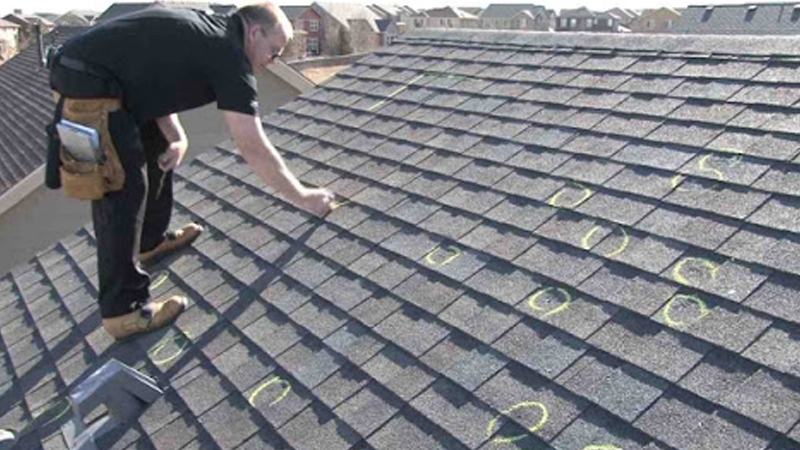
Our certified inspectors document hail strikes, wind damage, and leaks with dated photos, test squares, and written reports your carrier accepts — see our assessment service.
Claim Filing Guidance
We walk you through your policy language, deadlines, and required forms, so your claim gets filed correctly the first time.
Adjuster Meeting Representation
We attend your insurance adjuster's inspection, walk the roof together, and answer technical questions so documented damage stays in the scope.
Xactimate Scope Preparation
Our estimates use the same platform carriers use, which speeds review and reduces back-and-forth on the work we'll perform.
Supplement Documentation
When adjusters miss code-required items like ice barriers, drip edge, or ventilation, we file documented supplements with building-code citations.
You pay your deductible. We manage the documentation.
Why Choose Us
Documentation That Holds Up
Our team includes HAAG-certified inspectors trained in the same damage-assessment methodology carrier adjusters use. When we chalk a test square and count hail strikes, the file we build speaks the adjuster's language — and that credibility is why our documentation carries weight when adjusters review it.
We're GAF Certified Plus and Owens Corning Preferred, and we put the same rigor into supplements: when an approved scope omits code-required ice barrier, drip edge, or ventilation, we file the supplement with photos and the building-code citation attached. Denver-area municipalities enforce those requirements; your settlement should reflect them.
One thing we're not: a public adjuster. Colorado law reserves settlement negotiation for licensed public adjusters. We're your contractor — we document damage, price our work in Xactimate, and answer technical questions. That clarity protects you and keeps your claim clean.

Two-check process, demystified: carriers pay actual cash value first, then release recoverable depreciation after we submit the completion invoice. We handle both filings.
When to Call
Signs You Should Start a Claim Assessment
Recent Hail or Wind Storms in Your Area
Colorado's Front Range sees some of the most damaging hail in the country. If storms with hail above one inch or gusts past 58 mph passed through your neighborhood, your roof likely sustained damage that qualifies for a claim, even when it looks fine from the ground.
Neighbors Getting Roof Replacements
When roofing crews appear on your street, adjusters have likely approved claims nearby. The same storm cell hit your home, and a free assessment tells you whether your roof shows matching damage patterns.
Visible Shingle Damage or Granule Loss
Missing shingles, creased tabs, exposed fiberglass mat, and granules collecting in gutters all signal storm damage. These indicators strengthen a claim when documented promptly with dated photos.
Water Stains After a Storm
Ceiling spots, attic moisture, and wet insulation that appear after severe weather point to storm-created openings. Interior damage documentation adds covered line items to your claim scope.
Your Claim Was Underpaid or Denied
Carriers sometimes classify real storm damage as wear and tear, or scope a repair when codes require more. A second inspection with HAAG-certified documentation and code citations gives you grounds to request re-evaluation.
Filing windows close fast. Get documented free — even if you never file.
How We Work
Our Claim Assistance Process
Six steps from free assessment to depreciation release — one accountable team.
01
Free Damage Assessment
Our certified inspectors examine your entire roofing system and document every impact with dated photos, chalk-marked test squares, and NOAA-verified storm data for your address.
02
Claim Filing Guidance
We review your findings with you, explain what your policy likely covers, and guide you through filing with your carrier before the deadline.
03
Adjuster Meeting
When your adjuster schedules the inspection, we're on the roof with them, presenting our documentation and answering technical questions about the damage.
04
Scope Review and Supplements
We compare the carrier's approved scope against documented damage and current building codes. Missing items get supplemented with photos and code citations.
05
Restoration
Once the scope is approved, our crews complete the work per the estimate — tear-off, decking repair, underlayment, shingles, flashing, and ventilation to manufacturer specification.
06
Final Invoice and Depreciation Release
We submit the completion invoice your carrier needs to release recoverable depreciation, and you receive warranty documents for the finished roof.
Tools & Materials
Carrier-Standard Tools, Code-Compliant Materials
Xactimate
The estimating platform insurance carriers use
EagleView
Aerial roof measurement reports
CompanyCam
Dated, GPS-tagged photo documentation
NOAA / NWS
Verified storm date and hail size records
GAF
ArmorShield II Class 4 impact-resistant shingles
Owens Corning
Duration STORM impact-rated systems
CertainTeed
ClimateFlex polymer-modified shingles
Malarkey
Class 4 rubberized shingles for hail country
Grace
Ice & Water Shield code-compliant leak barriers
DuPont
Tyvek Protec synthetic underlayment
When claims fund restoration, Class 4 impact-resistant upgrades often qualify for insurance premium discounts — we run that math with you during material selection. Every installation follows OSHA safety standards and manufacturer specifications.
FAQs
FAQs About Insurance Claim Assistance
›What is insurance claim assistance?
Insurance claim assistance is professional support that guides homeowners through the roof damage claims process. It covers damage inspection, claim filing guidance, adjuster meetings, scope review, supplement documentation, and the restoration work itself.
›When should I file a roof damage claim?
File as soon as possible after a storm. Most policies set a filing deadline of one year from the date of loss, and some carriers require notice within 60 days. Fresh damage also documents more clearly than weathered damage.
›Why do carriers deny roof claims?
Carriers deny claims when they classify damage as wear and tear, cosmetic, or preexisting. Thorough documentation with dated photos, storm data, and a HAAG certified assessment counters those denials.
›How does the payment process work?
Your carrier issues a first check for the actual cash value of your roof minus your deductible. After we complete the work and submit the final invoice, they release the recoverable depreciation as a second payment.
›Can filing a claim raise my premiums?
Weather related claims are typically classified as acts of nature and affect rates less than negligence claims. Rates in storm hit regions often rise across the board whether you file or not.
›Does ARCM Roofing charge for claim assistance?
No. Inspections, adjuster meetings, and supplement documentation come at no cost when we handle your roof restoration. You pay only your policy deductible.
›Is ARCM Roofing a public adjuster?
No. We are a licensed roofing contractor. We document damage, price the work we perform in Xactimate, and answer technical questions during adjuster reviews. We do not negotiate settlements on your behalf, which Colorado law reserves for licensed public adjusters.
Related Services
Storm Documented. Claim Supported. Roof Restored.
Free assessments · Code-cited supplements · You pay only your deductible