Cedar Shake Installation by ARCM Roofing
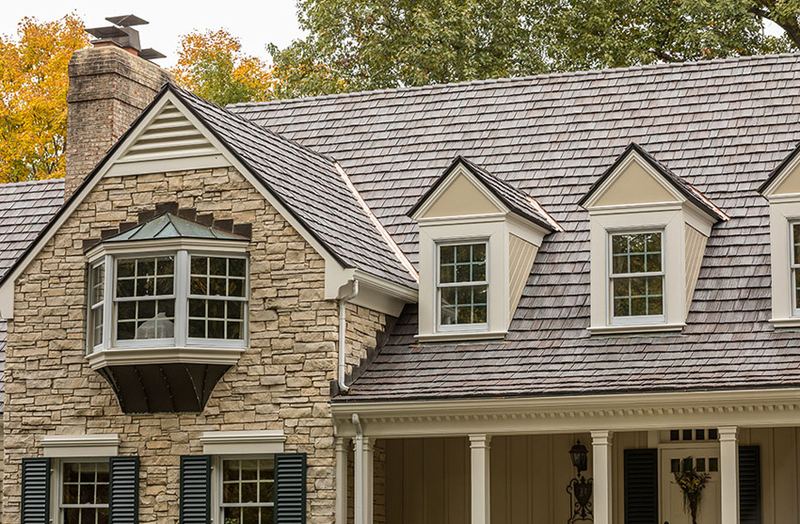
Hand-split Western Red Cedar heavies over a woven-interlayment assembly — the shake roof built the way the Bureau wrote it.
5 Highlights on Cedar Shake Installation
Split by Hand. Sealed by Craft.
The premium cut of wood roofing — irregular split faces made weatherproof by the felt baffle woven between every course.
Hand-Split and Resawn Heavies
Three-quarter-inch butt heavies and mediums in hand-split, taper-sawn, and straight-split textures — the deep shadow lines shake architecture is built on.
Woven Felt Interlayment
Eighteen-inch felt layered between every course — the hidden baffle that makes an irregular split surface weatherproof for decades.
Premium and Number 1 Grades
One hundred percent edge-grain Premium for maximum life, Number 1 for performance at moderate cost — both Certi-label mill product.
Stainless Fastening Only
Two stainless or hot-dipped nails per shake — cedar's tannins destroy electro-galvanized fasteners, and streaked failures prove it.
Fire-Retardant Treatment Available
Pressure-impregnated Class B and C shakes for WUI addresses, with your jurisdiction's code verified before we quote.
The interlayment you never see is why the roof works.
Why Choose Us
Bureau-Spec Interlayment, Every Course
Shake failure almost always traces to interlayment shortcuts. Our crews train to Cedar Shake and Shingle Bureau standards — felt positioned to spec between every course, exposure held to pitch, joints offset minimum 1.5 inches, two stainless nails per shake.
We're straight about fire code: some Colorado WUI jurisdictions restrict untreated wood roofing. We install pressure-impregnated Class B and C treated cedar where required, verify your jurisdiction's rules before quoting, and put the code citation in your estimate.
Stainless and hot-dipped fasteners only — electro-galvanized nails streak and fail in cedar's tannins — plus our 10-year workmanship warranty alongside 20-to-50-year material coverage by grade and treatment.
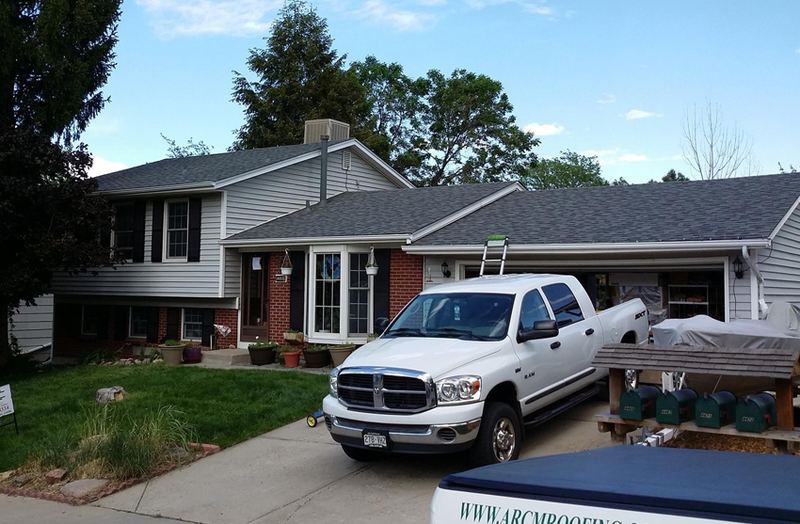
New amber or weathered silver? We bring aged samples so you choose the roof you'll own in year ten, not just year one.
When It Makes Sense
Signs Cedar Shake Is the Right Call
Mountain Contemporary or Rustic Architecture
Shake texture is the roofline these designs assume. The shadow depth of three-quarter-inch butts reads from the street in a way no stamped-metal or composite imitation reproduces.
Your Shakes Are Cupping, Splitting, or Shedding
Twenty-five-plus-year shakes that cup, split along the grain, or slide out of courses are finishing their service. We assess honestly: selective replacement and treatment can buy years, or full replacement resets the clock for decades.
A Previous Installer Skipped the Interlayment
Leaking shake roofs under fifteen years old almost always trace to missing or misplaced felt between courses. We diagnose by lifting shakes at the leak line — and rebuild the assembly the way the Bureau specifies.
HOA Requires Shake or Approved Equivalent
Established foothill and golf-course communities often mandate shake profiles. We handle the HOA submittal, the fire-treatment documentation, and the WUI overlay requirements as part of the project.
You Want the Insulation and the Look
Cedar's cellular structure roughly doubles asphalt's insulating value while the shake profile adds the texture buyers pay premiums for. Function and curb appeal in the same material.
HOA specs or WUI questions? We navigate them weekly.
How We Work
Our Cedar Shake Installation Process
01
Assessment and Code Verification
Structure inspected, WUI and HOA requirements confirmed, treated product scoped where your jurisdiction requires it.
02
Grade and Texture Selection
Hand-split, taper-sawn, or straight-split; Premium or Number 1; heavy or medium butts — samples in hand at your home.
03
Tear-Off and Spaced Sheathing
Old roofing stripped and spaced sheathing set to the shake's exposure — the air gaps that let cedar dry from below.
04
Starter Course and Interlayment
Doubled starter at the eave, then 18-inch felt woven between every course as installation climbs — positioned to the Bureau spec, not approximated.
05
Shake Installation
Each shake fastened with two stainless nails, joints offset 1.5 inches minimum between courses, exposure held to pitch spec.
06
Flashing and Ridge
Copper valleys and penetrations, ridge caps alternating overlap, every detail sized for a 40-year assembly.
07
Final Inspection
Courses sighted, fastening spot-checked, site magnet-swept, and the finished roof photographed with your warranty registered.
Most shake installations complete in five to nine days.
Brands We Use
Mills, Treatment, and Metal We Specify
Waldun Group
Premium hand-split and resawn shakes
Watkins Sawmills
Certi-Split label shakes
G&R Cedar
Heavy and medium shake product
Anbrook Industries
Fire-treated shake systems
Chemco
Pressure-impregnated Class B/C treatment
Grace
Ice & Water Shield at eaves and valleys
Maze Nails
Stainless ring-shank cedar fasteners
Revere Copper
Valley and flashing metal
Fortifiber
No. 30 felt interlayment
Cedar Breather
Ventilating mat for solid-deck applications
Cedar bundles staged dry and covered, OSHA fall protection on every pitch, and job sites left broom-clean with all offcuts hauled — wood rewards craft at every step.
FAQs
FAQs About Cedar Shake Installation
›What is cedar shake installation?
Cedar shake installation is the process of laying hand-split or resawn cedar shakes over spaced sheathing with 18-inch felt interlayment woven between every course. The interlayment is what makes a shake roof weatherproof despite the shakes' irregular split faces.
›How long do cedar shakes last?
Thirty to fifty years in Colorado's dry climate with proper installation and maintenance. Heavy shakes at three-quarter-inch butts outlast mediums, and treatment renewal every few years extends service life.
›Why does interlayment matter so much?
Shakes' split faces leave gaps between courses. The felt interlayment layered between each course creates a baffle that stops wind-driven rain and snow from penetrating those gaps. Skipping or misplacing interlayment is the most common cause of shake roof failure.
›Are cedar shakes allowed in fire zones?
Some Colorado WUI jurisdictions restrict untreated wood. We install pressure-impregnated fire-retardant shakes rated Class B or C and verify your local code before we quote.
›What grade of shake should I choose?
Premium Grade (100% edge grain, no defects) for maximum life; Number 1 Grade for excellent performance at moderate cost. We explain the tradeoff with samples in hand.
›How much does cedar shake installation cost?
Shakes are a premium system above asphalt and wood shingles. Pricing depends on grade, butt thickness, treatment, and roof complexity. Free written estimates come standard.
›Does ARCM Roofing warranty cedar shake installation?
Yes. Our 10-year workmanship warranty covers installation, alongside 20-to-50-year manufacturer coverage depending on grade and treatment.
Related Services
Forty Years of Shadow Lines.
Heavies & mediums · Woven interlayment · Fire-treated options