Corrugated Metal Roof Installation by ARCM Roofing
Ribbed steel and aluminum panels for homes, barns, warehouses, and commercial buildings — durable, weather-resistant, and built to last decades.
5 Highlights on Corrugated Installation
Every Rib Straight, Every Lap Sealed
Our installers handle 7/8" corrugated, 1/2" corrugated, and R-panel profiles in 26 and 29 gauge steel — matched to your building's slope, wind exposure, and snow load requirements.
50-Year Galvalume and Galvanized Panels
Rated for 50 years or more, fastened with weathertight screws and sealed at every lap joint to waterproof your structure.
Precision Panel Alignment
String lines and squared eave starts, so every rib runs straight from ridge to gutter.
Complete Flashing Systems
At valleys, sidewalls, chimneys, and penetrations, installed to shed water and block wind-driven rain.
Underlayment and Vapor Barriers
Synthetic underlayment placed beneath every panel to protect the roof deck from condensation and moisture intrusion.
Energy-Smart Coatings
Reflective pigments that cut attic temperatures and lower summer cooling costs by up to 25%.
The budget-smart path into metal roofing — same steel, simpler profile.
Why Choose Us
We Install Corrugated Every Week
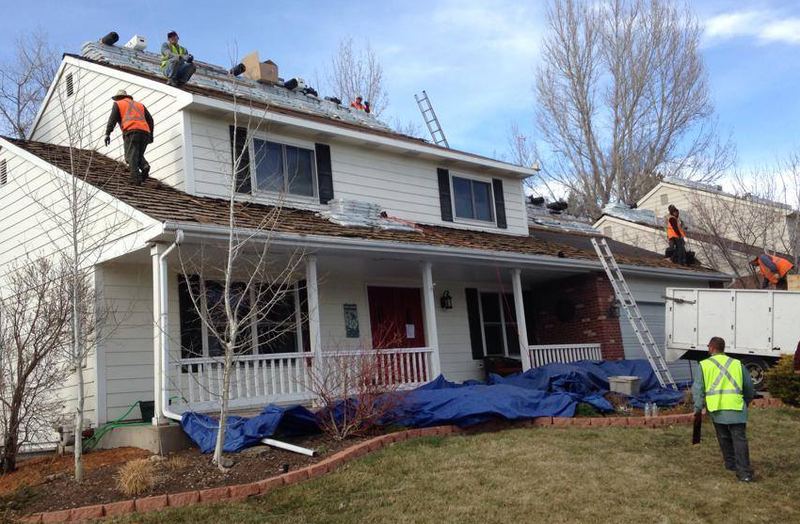
We're not a general contractor who dabbles in metal. Our crews install corrugated panels every week, and that repetition shows in the finished work. Lead installers hold manufacturer certifications from major panel producers, which lets us offer extended material warranties.
Every project starts with a structural assessment: we measure your roof deck, check rafter spacing, calculate wind uplift ratings, and verify your substrate will hold the fastener pattern your panels need. You get a written scope with panel gauge, coating type, trim details, and a fixed price before we order a single sheet.
Our 10-year workmanship warranty covers fastener backout, panel slippage, and flashing failures — and cleanup matters: magnetic sweepers collect stray screws and metal shavings, and old roofing hauls away the same day we finish.
Ask about financing options and free estimates — honest pricing keeps our customers referring their neighbors.
Warning Signs
Signs Corrugated Metal Is the Right Move
Recurring Shingle Blow-Offs
If asphalt shingles keep tearing loose in wind events, your roof faces uplift forces that composite materials can't handle. Corrugated steel panels resist winds up to 140 mph when installed to spec.
Persistent Leaks at Seams and Penetrations
Water stains on ceilings, damp insulation, or drips around vent pipes point to failed underlayment or cracked flashing. A new corrugated system with butyl tape at lap joints and boot flashings at penetrations stops these leaks at the source.
Sagging or Spongy Roof Decking
Rotted OSB or plywood under old roofing signals long-term moisture damage. During installation, we replace compromised decking and add synthetic underlayment before panels go down.
Rust-Through on Aging Metal Roofs
Older corrugated roofs with worn galvanization show red rust, pinholes, and perforation along panel edges. Once the zinc coating fails, corrosion spreads fast. Replacement with modern Galvalume panels resets the clock for another five decades.
High Cooling Bills From Heat Absorption
Dark asphalt shingles soak up solar radiation and push attic temperatures past 150°F in summer. Reflective corrugated panels with cool-roof pigments bounce that heat away and reduce your HVAC load.
Two or more signs? Get photos and a straight answer on repair vs. replacement.
How We Work
Our Eight-Step Installation Process
01
On-Site Assessment
We measure your roof, photograph problem areas, and check deck condition, slope, and ventilation.
02
Material Selection
You pick panel profile, gauge, and color from physical samples. We calculate exact panel counts, trim lengths, and fastener quantities.
03
Tear-Off and Deck Prep
Crews strip old roofing, pull nails, and inspect the deck. We replace rotted sheathing and re-nail loose boards to code.
04
Underlayment Installation
We roll out synthetic underlayment across the full deck and seal it at eaves, valleys, and rakes.
05
Trim and Flashing
Installers set drip edge, eave trim, valley metal, and sidewall flashing before any panels arrive on the roof.
06
Panel Installation
We square the first panel to the eave, then fasten each sheet with gasketed screws driven into the flat, sealing lap joints with butyl tape.
07
Ridge and Closure
Foam closure strips fill the corrugations under ridge caps, blocking wind, rain, and pests.
08
Final Walkthrough
We inspect every fastener line, run magnetic sweeps, and review the completed roof with you before collecting final payment.
Most residential projects finish in two to four days, weather permitting.
Brands We Use
Panels, Fasteners, and Sealants That Hold
McElroy Metal
Corrugated and R-panel systems in 26 gauge steel
Metal Sales
Classic 7/8" corrugated profiles
Fabral
Agricultural and residential panel lines
Union Corrugating
Galvalume panels with 40-year finishes
Central States
Panel-Loc and corrugated products
Mueller, Inc.
Heavy-gauge panels for high-wind zones
AkzoNobel Ceram-A-Star
Premium silicone-modified polyester coatings
Sherwin-Williams
Fluropon PVDF paint systems
ST Fastening Systems
Weathertight screws with EPDM washers
Titebond WeatherMaster
Sealants for laps and flashing details
Safety anchors every installation: fall protection harnesses tied to rated anchor points, OSHA ladder and access protocols, and cordoned ground-level work zones keeping your family and pets clear of falling debris.
FAQs
FAQs About Corrugated Metal Installation
›What is corrugated metal roof installation?
Corrugated metal roof installation is the process of fastening ribbed steel or aluminum panels over a prepared roof deck with underlayment, trim, and sealed lap joints. The wavy profile adds rigidity and channels water off the roof.
›When should I replace my roof with corrugated metal?
Replace when your current roof leaks repeatedly, sheds shingles in wind, or shows rust perforation on older metal. Fall and spring offer mild installation weather, though our crews work year-round.
›Why does panel gauge matter?
Thicker 26 gauge panels resist hail dents and foot traffic better than 29 gauge. We recommend gauge based on your local weather exposure and roof slope.
›How long does corrugated metal roof installation take?
Most homes take two to four days. Barns and commercial buildings run three to seven days depending on square footage and trim complexity.
›Can you install corrugated metal over existing shingles?
Yes, in many cases. Building codes often allow one recover layer using purlins or synthetic underlayment over flat shingles. We assess your deck first and tear off when the substrate can't support a recover.
›Does a corrugated metal roof need maintenance?
Minimal. Plan on a fastener check every five to seven years, since exposed screws with rubber washers eventually need retightening or replacement. We offer maintenance plans that include annual inspections.
›How much does professional corrugated metal roof installation cost?
Pricing varies by panel gauge, coating quality, roof complexity, and tear-off requirements. Call ARCM Roofing for a free written estimate with no obligation.
Exposed-fastener systems benefit from periodic checkups — see our annual roof inspections to keep washers and fasteners tight for the long haul.
Related Services
Straight Ribs. Sealed Laps. Five Decades.
Homes, barns & commercial · 140 mph rated · Financing available